
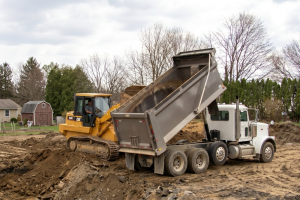
 Excavating services are a cornerstone of construction and land development, playing a pivotal role in preparing sites for various projects. From residential homes to commercial buildings, the excavation process is essential for ensuring that the land is ready for construction. This article delves into the numerous benefits of professional excavation services, highlighting their importance in creating stable, functional, and safe environments for future developments.
Understanding Excavation Services
Excavation services encompass a range of activities aimed at preparing land for construction. This includes clearing the site, grading the terrain, digging trenches for utilities, and ensuring proper drainage. The primary goal is to transform raw land into a usable space that meets the specific requirements of a construction project.
Key Components of Excavation
-
- Site Clearing: This involves removing trees, shrubs, rocks, and other obstacles that may hinder construction. Effective site clearing enhances the visibility and accessibility of the land, making it more marketable.
- Grading: Grading is the process of leveling the ground to create a stable foundation. Proper grading ensures that water drains away from structures, preventing flooding and erosion.
- Trenching: Excavation services often include digging trenches for essential utilities such as water, sewer, and electrical lines. This step is crucial for ensuring that these systems are installed correctly and function efficiently.
- Soil Stabilization: Excavators assess soil conditions and implement techniques to stabilize the ground, ensuring that it can support the weight of structures without shifting or settling.
Enhancing Project Efficiency
One of the most significant advantages of hiring professional excavation services is the improvement in project efficiency. Skilled excavators utilize specialized equipment and techniques that streamline the excavation process.
Purpose-Built Equipment
Professional excavators use machinery specifically designed for various tasks, such as bulldozers for grading and excavators for digging. This equipment is essential for completing tasks quickly and accurately, reducing the time spent on site preparation.
Skilled Operators
Experienced operators understand how to navigate different soil conditions and site layouts. Their expertise allows them to adapt to changing circumstances, ensuring that the excavation process remains on schedule. This adaptability is crucial for maintaining project timelines and avoiding costly delays.
Coordination with Other Trades
Excavation services often require coordination with other construction trades, such as plumbing and electrical work. By aligning excavation activities with these other phases, contractors can ensure a smoother workflow and minimize disruptions.
Improving Safety Standards
Safety is a paramount concern in construction, and excavation services play a vital role in establishing a safe work environment. Proper excavation practices help mitigate risks associated with unstable ground and underground utilities.
Ground Stability
Excavation professionals assess soil conditions to determine the best approach for stabilizing the ground. This includes implementing grading techniques that prevent erosion and ensure that structures remain secure over time.
Utility Management
Excavators are trained to identify and manage underground utilities, reducing the risk of accidental damage during excavation. By marking utility lines and adhering to safety protocols, excavation services help prevent hazardous situations that could endanger workers and the public.
Trench Safety
Trenches are often necessary for installing utilities, but they can pose significant risks if not properly supported. Professional excavators use shoring and sloping techniques to prevent trench collapses, ensuring the safety of workers operating in confined spaces.
Cost-Effectiveness of Professional Excavation
While some may consider DIY excavation to save money, hiring professionals can lead to significant cost savings in the long run. Poorly executed excavation can result in costly repairs and delays that far outweigh initial savings.
Avoiding Costly Mistakes
Professional excavators have the knowledge and experience to avoid common pitfalls that can lead to expensive errors. By ensuring that excavation is done correctly the first time, contractors can prevent issues such as foundation problems and drainage failures.
Efficient Resource Management
Excavation services help optimize the use of materials and resources. By accurately assessing soil conditions and determining the appropriate amount of fill or grading needed, excavators can minimize waste and reduce overall project costs.
Long-Term Savings
Investing in quality excavation services contributes to the long-term durability of structures. Properly prepared sites are less likely to experience issues such as settling or water damage, ultimately saving property owners money on repairs and maintenance.
Environmental Considerations
Modern excavation practices prioritize environmental sustainability, ensuring that land development projects minimize their impact on surrounding ecosystems.
Erosion Control
Excavation services implement erosion control measures to protect the environment during and after the excavation process. This includes creating drainage systems that direct water away from sensitive areas and prevent soil erosion.
Waste Management
Professional excavators are equipped to handle waste materials responsibly. They ensure that debris is disposed of in accordance with local regulations, reducing the environmental footprint of construction projects.
Habitat Preservation
By carefully planning excavation activities, contractors can minimize disruption to local wildlife habitats. This approach not only protects the environment but also helps maintain the natural balance of the ecosystem.
Supporting Diverse Projects
Excavation services are versatile and can be tailored to meet the specific needs of various projects, whether residential, commercial, or industrial.
Residential Excavation
For residential projects, excavation services may include site clearing, grading for foundations, and trenching for utilities. These services help homeowners prepare their land for construction or renovations, ensuring that the site is ready for building.
Commercial Excavation
Commercial excavation projects often involve larger-scale operations, such as site development for shopping centers or office buildings. Professional excavators work to create functional sites that meet the demands of commercial construction, including proper drainage and utility installation.
Infrastructure Development
Excavation services are also critical for infrastructure projects, such as road construction and utility installations. These projects require careful planning and execution to ensure that they meet safety and regulatory standards.
The Role of Technology in Excavation
Advancements in technology have revolutionized the excavation industry, making processes more efficient and accurate.
GPS and Surveying Tools
Modern excavation services utilize GPS technology and advanced surveying tools to assess site conditions accurately. This technology allows excavators to create precise plans for grading and excavation, reducing the risk of errors.
Drones for Site Assessment
Drones are increasingly being used for site assessments, providing aerial views that help contractors evaluate terrain and identify potential challenges. This technology enhances planning and decision-making, leading to more efficient excavation processes.
Automated Equipment
The use of automated machinery in excavation has improved efficiency and safety. These machines can perform tasks with greater precision, reducing the need for manual labor and minimizing the risk of accidents.
The Importance of Regulatory Compliance
Excavation services must adhere to local regulations and zoning laws, ensuring that projects are completed legally and safely.
Navigating Permitting Processes
Professional excavators are familiar with the permitting processes required for excavation projects. They can help clients navigate these regulations, ensuring that all necessary permits are obtained before work begins.
Environmental Regulations
Excavation services must also comply with environmental regulations that protect local ecosystems. By following these guidelines, contractors can minimize their impact on the environment and avoid potential fines or legal issues.
Safety Standards
Adhering to safety standards is crucial in excavation work. Professional excavators are trained to follow industry best practices, ensuring that projects are completed safely and efficiently.
Excavation services are an essential component of construction and land development. They provide numerous benefits, including improved project efficiency, enhanced safety standards, cost-effectiveness, and environmental sustainability. By investing in professional excavation services, property owners and contractors can ensure that their projects are built on a solid foundation, setting the stage for successful and lasting developments. Whether for residential, commercial, or infrastructure projects, the expertise of skilled excavators is invaluable in creating safe and functional spaces for the future.
We Provide Earthwork Excavating Services & More
We handle everything from creating precise foundation excavations and utility trenching to implementing strategic grading that directs water away from your structures, preventing pooling and potential damage. Our earthwork services to leverage GPS-guided machinery and 3D modeling software, which enhance precision and efficiency while minimizing errors and optimizing your project timeline.
> Learn More
Contact Us (859-393-1027) For a Consultation
—
About Webb’s Excavating
At Webb’s Excavating, we provide dependable excavation services for residential, commercial, and site development projects throughout Northern Kentucky and Cincinnati. From site preparation, grading, trenching, and drainage solutions to land clearing and utility excavation, our experienced team delivers safe, efficient, and precision-driven work that keeps your project on schedule. Whether you’re breaking ground on new construction or improving an existing property, we’re the trusted partner to get the job done right the first time.
> Learn More